


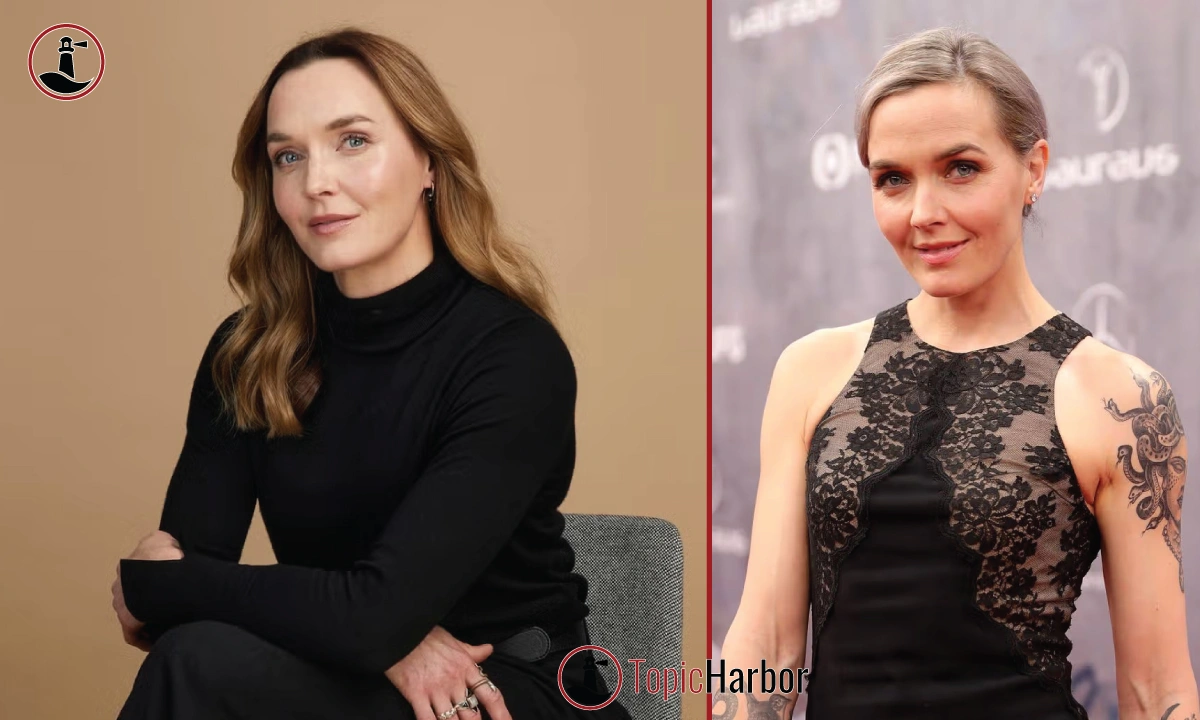
Victoria Pendleton stands among the most celebrated athletes in British sporting history. Known for her remarkable achievements on the cycling track, she became a symbol of determination, resilience, and excellence. From humble beginnings in Bedfordshire to standing on the highest podiums at the Olympic Games, her journey captured the imagination of sports fans across the United Kingdom and beyond. What makes her story so compelling is not simply the medals she won, but the relentless dedication and mental strength that carried her through intense competition and public scrutiny.
For many people, Victoria Pendleton represents far more than sporting success. She became an inspiration for young athletes, particularly women looking to break barriers in competitive sport. Her willingness to speak openly about challenges, setbacks, and personal struggles has added depth to her legacy. While countless champions have won medals, few have connected with audiences as authentically as she has. Her story is one of courage, ambition, and the pursuit of excellence against the odds.
Early Life and Family Background
Born on 24 September 1980 in Stotfold, Bedfordshire, England, Victoria Louise Pendleton grew up in a family where cycling was already part of daily life. Her father, Max Pendleton, was a former British National grass track cycling champion, and his passion for the sport naturally influenced his children. Alongside her twin brother Alex and older sister, Victoria spent much of her childhood immersed in sporting activities that encouraged discipline and competitiveness. Her first cycling race came at the age of nine, an experience that sparked a lifelong passion for racing.
Unlike many future champions who are identified as prodigies from an early age, Victoria’s path was more gradual. She enjoyed a variety of sports and focused on education while continuing to develop her cycling abilities. Even after being noticed by national coaches as a teenager, she chose to continue her studies rather than immediately commit to professional cycling. That decision reflected the thoughtful and determined personality that would later define her career.
Personal Information Table
| Detail | Information |
|---|---|
| Full Name | Victoria Louise Pendleton |
| Known As | Victoria Pendleton |
| Date of Birth | 24 September 1980 |
| Age | 45 Years |
| Birthplace | Stotfold, Bedfordshire, England |
| Nationality | British |
| Profession | Former Track Cyclist, Broadcaster, Author |
| Father | Max Pendleton |
| Mother | Pauline Viney |
| Siblings | Twin Brother Alex Pendleton, One Older Sister |
| Marital Status | Divorced |
| Former Husband | Scott Gardner |
| Current Partner | Louis Tinsley |
| Education | Sport and Exercise Science, Northumbria University |
| Height | Approximately 1.65 metres |
| Olympic Gold Medals | 2 |
| Olympic Silver Medals | 1 |
| World Championship Titles | 9 |
| Honours | MBE, CBE |
| Known For | Olympic Cycling Champion |
| Net Worth | Widely estimated in the multi million pound range, exact figure not publicly confirmed |
Information compiled from publicly available biographical records and sporting profiles.
The Road to Professional Cycling
The journey towards elite cycling was anything but straightforward. During her teenage years, she balanced education with sporting ambitions, showing remarkable maturity. Many athletes would have seized the opportunity to enter professional training immediately, but she recognised the value of academic development. After completing a degree in Sport and Exercise Science at Northumbria University, she committed fully to cycling and began pursuing international competition.
This period of her life demonstrates an important lesson about long term success. Talent alone rarely guarantees greatness. Success often comes from combining natural ability with patience, discipline, and continuous learning. As Victoria developed her physical power and racing intelligence, she began establishing herself as one of Britain’s most promising track cyclists. Her performances quickly attracted attention on both national and international stages.
Dominating the World Stage
The rise of Victoria Pendleton to global prominence transformed women’s cycling in Britain. Her breakthrough years showcased a rare combination of explosive speed, tactical intelligence, and fierce competitiveness. Competing primarily in sprint and keirin events, she consistently outperformed many of the world’s strongest riders. Her dominance became particularly evident in World Championship competitions, where she collected multiple gold medals and established herself as one of the sport’s elite performers.
Winning once at the highest level is difficult. Remaining at the top year after year is something entirely different. Victoria managed to achieve exactly that. Her ability to handle pressure while maintaining peak performance made her one of the most feared competitors in international cycling. Rivals knew that whenever she lined up at the start, they were facing an athlete capable of producing something extraordinary.
Olympic Glory and Historic Achievements
Olympic success ultimately cemented the reputation of Victoria Pendleton as one of Britain’s greatest sporting figures. She competed at three Olympic Games and earned an impressive collection of medals. Her gold medal victory in the women’s sprint at the 2008 Beijing Olympics marked a defining moment in her career and elevated her profile across the country.
The London 2012 Olympic Games added another unforgettable chapter. Competing in front of a home crowd brought immense pressure, yet she delivered once again. She secured gold in the keirin and silver in the sprint, ensuring her place among Britain’s Olympic legends. The atmosphere inside the velodrome was electric, and her performances became some of the most memorable moments of the Games. For many spectators, watching Victoria race felt like witnessing a master artist at work, combining precision, power, and courage in perfect harmony.
Challenges Behind the Success
Sporting success often hides personal struggles, and the career of Victoria Pendleton was no exception. Behind the medals and celebrations were years of intense pressure, self doubt, and emotional challenges. Elite sport demands extraordinary sacrifices, and she has spoken openly about the mental strain associated with constant competition and public expectations. These experiences revealed the human side of an athlete often viewed as unbeatable.
Her willingness to discuss mental health helped challenge outdated perceptions within professional sport. Rather than portraying champions as invulnerable, she demonstrated that strength often comes from acknowledging difficulties and continuing forward despite them. This honesty resonated with many people who saw parts of their own struggles reflected in her experiences.
Life Beyond Competitive Cycling
Retirement can be difficult for athletes whose identities are closely tied to competition. For Victoria, leaving professional cycling meant entering unfamiliar territory. Yet rather than stepping away from challenges, she embraced new adventures. Her willingness to test herself in completely different environments showcased the same fearless mindset that had defined her sporting career.
One of the most remarkable examples was her transition into horse racing. Learning a new sport at an elite level would intimidate most people, but she approached the challenge with determination and discipline. Her participation in high profile racing events demonstrated that success is often rooted in mindset rather than a specific skill set. The competitive fire that fuelled her cycling career continued to burn brightly long after retirement.
Influence on Women’s Sport
The impact of Victoria Pendleton extends far beyond medals and trophies. She emerged during a period when women’s cycling received significantly less attention than it does today. Through her achievements, she helped elevate the profile of female athletes and inspired greater interest in women’s competitive cycling throughout Britain.
Young cyclists across the country suddenly had a visible role model capable of proving that international success was achievable. Her accomplishments encouraged investment, participation, and media attention within women’s sport. Many of the opportunities available to current female cyclists can be linked, at least in part, to the pioneering efforts of athletes like Victoria who helped reshape perceptions and expectations.
Personal Resilience and Character
What separates exceptional athletes from great athletes is often resilience. The career of Victoria Pendleton provides countless examples of perseverance in the face of adversity. Whether dealing with injuries, criticism, personal setbacks, or immense public expectations, she consistently found ways to move forward and continue competing at the highest level.
Resilience is often compared to a tree standing firm during a storm. The strongest trees are not those that never bend but those that adapt without breaking. Victoria embodied this principle throughout her career. Every challenge became another opportunity to grow stronger, wiser, and more determined. That resilience remains one of the most admired aspects of her legacy.
Awards, Recognition, and Honours
Exceptional achievements naturally attract recognition and numerous honors have celebrated Victoria’s accomplishments. She received an appointment as a Member of the Order of the British Empire and later earned promotion to Commander of the Order of the British Empire for her services to cycling. These distinctions reflect not only her sporting success but also her contribution to British society and culture.
Beyond official honors, her influence is evident in the public admiration she inspires and her enduring cultural significance. She remains one of the most recognizable figures in British cycling history. Years after retirement, her name continues to be associated with excellence, determination, and sporting achievement.
Legacy of Victoria Pendleton
The legacy of Victoria Pendleton cannot be measured solely through statistics. Medals tarnish with time, records are eventually broken, and sporting generations evolve. What remains constant is the inspiration provided by athletes who redefine what is possible. Victoria’s story continues to motivate aspiring cyclists, sports enthusiasts, and individuals facing challenges in their own lives.
Her journey demonstrates that success is rarely a straight road. It twists through victories, disappointments, doubts, and triumphs. By embracing every part of that journey, she created a legacy that extends far beyond cycling tracks and Olympic podiums. She became a symbol of persistence and courage, proving that greatness is often built one determined step at a time.
Frequently Asked Questions
1. Who is Victoria Pendleton?
Victoria Pendleton is a British former track cyclist who became one of the most successful female cyclists in British history, winning Olympic and World Championship titles.
2. How many Olympic medals did Victoria Pendleton win?
She won three Olympic medals in total, including two gold medals and one silver medal.
3. What cycling events was Victoria Pendleton famous for?
She specialised in sprint, team sprint, and keirin events, achieving significant success in all three disciplines.
4. Did Victoria Pendleton compete after retiring from cycling?
Yes. She pursued horse racing and participated in competitive racing events after ending her cycling career.
5. What is Victoria Pendleton’s biggest contribution to sport?
Beyond her medals, she helped raise the profile of women’s cycling and inspired a new generation of female athletes across Britain.
Conclusion
Victoria Pendleton remains one of the defining figures in modern British sport. Her journey from a young cyclist in Bedfordshire to a double Olympic champion is a story filled with ambition, perseverance, and extraordinary achievement. Through triumphs and setbacks alike, she demonstrated the qualities that define true champions. Her influence continues to shape cycling and inspire countless people who see in her story a reminder that determination, courage, and resilience can turn even the boldest dreams into reality.
