


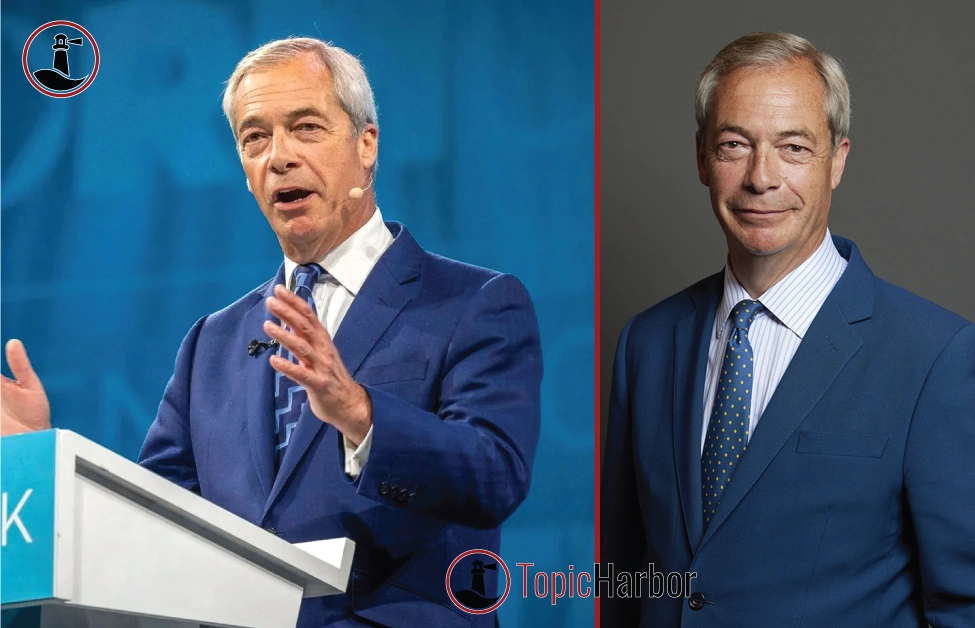
Politics has changed dramatically over the past decade, and nowhere is that shift more obvious than on social media. The rise of Nigel Farage X has become one of the clearest examples of how a politician can dominate conversations online without relying heavily on traditional television interviews or newspaper columns. Social platforms now work like giant public squares where opinions spread faster than wildfire, and Nigel Farage has learned how to use that environment better than many of his rivals.
The phrase Nigel Farage X has become closely linked with bold opinions, direct communication, and constant political debate. Unlike politicians who sound overly rehearsed, Farage often writes and speaks in a way that feels raw and immediate. Supporters see that as honesty, while critics call it provocative. Either way, it keeps people talking. That is the secret behind his online visibility. Social media rewards attention, and few British political figures attract attention as consistently as Nigel Farage.
How Social Media Changed British Politics
Before platforms like X became central to public discussion, politicians depended heavily on newspapers and television broadcasters to shape their image. That world has faded. Now a single post can trigger national headlines within minutes. The influence of Nigel Farage X reflects this transformation perfectly because his online activity often becomes part of mainstream political coverage almost instantly.
British politics once felt formal and distant to younger audiences, but social media changed the tone completely. Political communication became shorter, sharper, and more emotional. Farage adapted quickly to this shift. Instead of relying on carefully crafted statements filled with technical language, he embraced straightforward messaging. His posts often feel conversational, almost like someone speaking across a pub table. That familiarity helps him connect with supporters who feel disconnected from establishment politics.
Why Nigel Farage Dominates Online Conversations
One reason Nigel Farage X trends so frequently is because Farage understands controversy. Whether discussing immigration, Brexit, national identity, or cultural issues, he rarely avoids confrontation. In the attention economy, conflict acts like fuel poured onto a fire. People react, share, argue, and repost. Even critics unintentionally help increase visibility because every angry response expands the conversation further.
Another important factor is timing. Farage often comments on breaking stories quickly, sometimes before larger political parties have decided on their official position. That speed creates momentum. Social media rewards immediacy, and audiences tend to engage more with voices that sound decisive rather than cautious. His communication style feels spontaneous, which gives supporters the impression they are hearing authentic thoughts instead of carefully filtered political messaging.
Detailed Overview of Nigel Farage
| Category | Details |
|---|---|
| Full Name | Nigel Paul Farage |
| Date of Birth | 3 April 1964 |
| Age | 62 Years |
| Birthplace | Farnborough, Kent, England |
| Nationality | British |
| Profession | Politician, Broadcaster, Political Commentator |
| Known For | Brexit Campaign, UK Independence Party |
| Political Parties | UKIP, Reform UK |
| Education | Dulwich College |
| Marital Status | Divorced |
| Children | 4 |
| Parents | Guy Justus Oscar Farage and Barbara Stevens |
| Siblings | Not widely publicised |
| Net Worth | Estimated several million pounds |
| Famous Campaign | Brexit Referendum |
| Television Presence | GB News and political debates |
| Social Media Influence | Strong engagement on X |
| Public Image | Outspoken and controversial |
| Main Support Base | Eurosceptic and nationalist voters |
| Major Political Theme | Sovereignty and immigration |
| Current Influence | Strong online political commentator |
The Brexit Connection
It is impossible to discuss Nigel Farage X without understanding Brexit. Farage became one of the most recognisable faces of the campaign to leave the European Union. Social media allowed him to bypass traditional gatekeepers and speak directly to voters frustrated with Brussels and Westminster alike.
During the Brexit years, his online presence exploded. Clips of speeches, interviews, and heated exchanges spread rapidly across X. Many supporters viewed him as someone willing to challenge political elites openly. Critics argued that his messaging oversimplified complex issues, but simplicity often performs extremely well online. Social media rarely rewards lengthy nuance. It rewards clarity, emotion, and memorable phrases. Farage understood that dynamic perfectly.
The Brexit debate also polarised Britain deeply, and polarisation increases engagement. Every controversial statement created waves of reactions from both supporters and opponents. That constant cycle pushed Nigel Farage X into trending discussions repeatedly, turning him into one of the most talked about political personalities in the country.
How Supporters View Nigel Farage
To supporters, Nigel Farage X represents political honesty. Many believe he says what others are afraid to say publicly. They see him as a figure challenging establishment thinking and defending national identity. His supporters often admire his confidence and direct communication style, especially compared with politicians who appear overly scripted.
Another reason supporters remain loyal is consistency. Farage has maintained similar positions on European integration, immigration, and sovereignty for years. In politics, consistency can feel rare. Supporters interpret that steadiness as proof of conviction rather than opportunism. Social media amplifies this perception because old clips and statements remain easily searchable, allowing followers to compare his current positions with past remarks.
His online engagement also creates a sense of community among followers. When people interact with political content online, they often feel part of a larger movement. X functions almost like a digital rally where supporters gather, debate, and reinforce shared beliefs.
Why Critics Push Back
While supporters praise him, critics strongly oppose many aspects of Nigel Farage X. Opponents argue that his posts sometimes intensify division and encourage hostility around sensitive political issues. They believe his rhetoric simplifies complicated topics into emotionally charged slogans that can inflame tensions.
Critics also accuse him of thriving on outrage. Social platforms reward emotionally charged content because anger spreads quickly online. Detractors believe Farage intentionally uses provocative language to dominate headlines and maintain visibility. From their perspective, the constant cycle of controversy damages constructive political discussion.
Another major criticism involves misinformation and oversimplification. Political debates on social media often reduce detailed policy matters into short emotional arguments. Critics argue this weakens meaningful public understanding. Even so, the backlash itself keeps Nigel Farage X highly visible because controversy generates engagement from all sides.
The Relationship Between Media and X
Traditional media organisations now monitor X constantly because stories often begin there. The connection between television news and Nigel Farage X has become especially strong. A single viral post can quickly transform into newspaper headlines, televised debates, and radio discussions.
Farage benefits from this cycle because it multiplies his reach. Instead of relying only on his own followers, his comments spread through mainstream media channels as journalists discuss reactions online. It creates a loop where social media drives news coverage, and news coverage drives even more social media engagement.
This relationship has transformed political communication in Britain. Politicians are no longer simply responding to journalists. They are competing for attention in a nonstop digital environment where visibility matters almost as much as policy itself.
The Power of Personal Branding
Politics now resembles entertainment in many ways, and personal branding has become essential. Nigel Farage X succeeds partly because Farage has created a recognisable political identity. His image feels consistent across interviews, speeches, and online posts. People instantly know what he stands for, whether they agree with him or not.
Strong branding works online because audiences scroll quickly. Messages need to be instantly recognisable. Farage combines nationalist themes, anti establishment rhetoric, and conversational language into a brand that supporters immediately connect with. It acts almost like a signature style.
His communication approach also feels less formal than many Westminster politicians. That difference matters because modern audiences often distrust polished political performances. Farage’s style appears more spontaneous and emotionally driven, which creates stronger reactions online.
How Algorithms Help Political Figures
Social media algorithms play a massive role in the visibility of Nigel Farage X. Platforms prioritise content that keeps users engaged, and emotionally charged political debates tend to perform exceptionally well. Posts that trigger anger, agreement, excitement, or outrage receive more interaction, which increases reach further.
This system creates an environment where controversial voices can thrive. Farage understands how to produce content that sparks discussion. Even users who strongly dislike him often engage with his posts, unintentionally helping expand visibility. Algorithms do not distinguish between positive and negative attention. Engagement itself becomes the currency.
The result is a political landscape where dramatic messaging often spreads faster than calm analysis. That environment has helped figures like Farage maintain influence long after traditional political setbacks might have reduced their visibility in earlier decades.
The Cultural Impact of Nigel Farage
The influence of Nigel Farage X extends beyond politics into British culture itself. His online presence reflects larger debates about identity, patriotism, immigration, and free speech. These conversations reach far beyond Parliament and enter homes, workplaces, pubs, and family gatherings.
Farage has become a symbol to different groups for entirely different reasons. Supporters see resistance against establishment politics, while critics view him as a figure who deepens social division. This symbolic role increases his relevance because people discuss him not only as a politician but as part of broader cultural conflicts shaping modern Britain.
Cultural influence is powerful because it survives beyond elections. Political parties rise and fall, but cultural narratives often remain for years. Social media has accelerated this effect dramatically by turning political personalities into constant public figures rather than occasional election campaigners.
Can Nigel Farage Influence Future Elections?
Many analysts believe Nigel Farage X could continue influencing British elections even if he is not leading a major government party directly. Online influence now matters enormously because it shapes narratives, energises supporters, and pressures mainstream politicians.
Farage has repeatedly shown an ability to shift public debate. Issues once considered politically risky became central national topics partly because of his campaigning and online presence. That influence demonstrates how social media can amplify voices outside traditional party structures.
Future elections may depend even more heavily on digital communication. Younger voters consume political information online far more than through newspapers or scheduled television broadcasts. Politicians who fail to adapt may struggle to remain relevant. Farage’s success online provides a blueprint many others are now trying to copy.
The Future of Political Debate on X
The future of Nigel Farage X reflects a broader question about political communication itself. Will politics become even more emotional and personality driven online? Many signs suggest that trend is continuing. Social platforms reward speed, confrontation, and emotionally charged messaging.
At the same time, audiences increasingly crave authenticity. Politicians who sound robotic or overly rehearsed often struggle online. Farage’s style fits the digital environment because it feels immediate and personal. Whether people admire or dislike him, they rarely ignore him.
The challenge for society lies in balancing free expression with healthy public debate. Social media offers incredible opportunities for direct communication, but it also encourages division and rapid spread of emotionally charged information. The story of Nigel Farage on X captures both the opportunities and dangers of modern digital politics.
FAQs
Why is Nigel Farage so popular on X?
Nigel Farage attracts attention because of his direct communication style, controversial opinions, and ability to comment quickly on political events. His posts often spark intense debate, which increases visibility online.
What does Nigel Farage mainly discuss online?
He frequently discusses Brexit, immigration, British sovereignty, free speech, and criticism of establishment politics. These topics generate strong reactions from both supporters and critics.
How did Brexit increase Nigel Farage’s online influence?
Brexit placed Farage at the centre of one of Britain’s biggest political debates. Social media helped spread his speeches and opinions rapidly, turning him into one of the most recognisable political voices in the country.
Why do critics oppose Nigel Farage on X?
Critics argue that his messaging can be divisive and overly provocative. Some believe his posts intensify political tension and oversimplify complicated issues.
Does Nigel Farage still influence British politics?
Yes, his online presence continues shaping political discussions. Even outside mainstream party leadership, his commentary and social media activity remain highly influential.
Conclusion
The rise of Nigel Farage X shows how dramatically politics has evolved in the digital era. Social media transformed communication from carefully controlled press conferences into nonstop public debate where personalities dominate attention. Farage adapted to that environment faster than many rivals, building a powerful online identity that continues shaping British political conversations. Whether viewed as a truth teller or a provocateur, his influence on X highlights the growing power of digital platforms in modern democracy. Politics now moves at the speed of social media, and Nigel Farage remains one of its most visible figures.
- Read More: TopicHarbor
